Using an infrared thermal imaging camera during a home inspection helps identify hidden moisture intrusion, insulation gaps, and temperature anomalies.
Infrared thermal imaging home inspection NJ is an advanced inspection method we use during every home inspection, even though it is not required by New Jersey home inspection standards. This technology allows us to identify hidden moisture intrusion, insulation deficiencies, and electrical heat anomalies that may not be visible during a standard visual inspection — at no additional cost to our clients. InterNACHI
Our goal is to give you the clearest, most accurate picture of a home’s condition, detecting issues you might never spot with the naked eye.
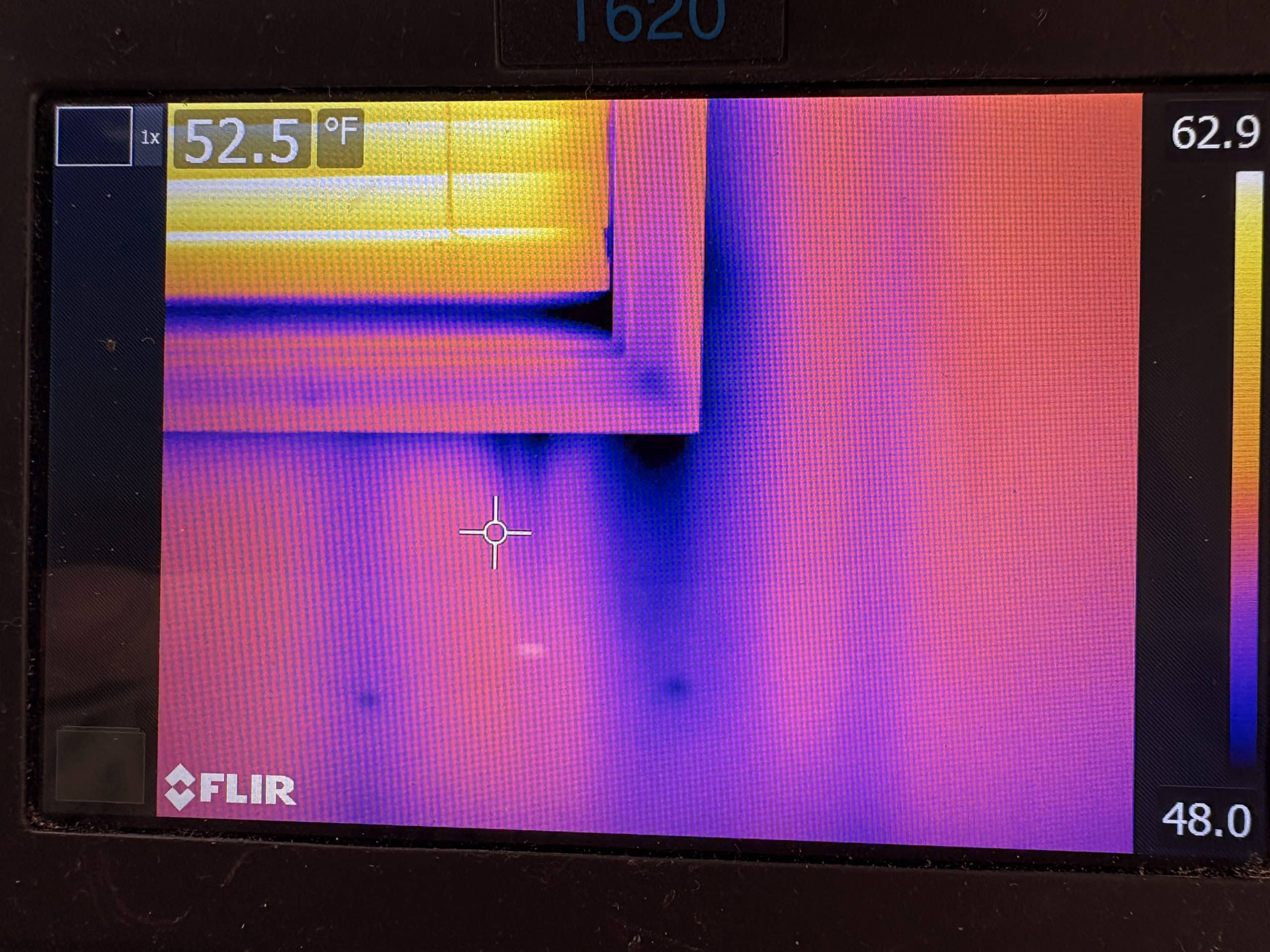
Infrared thermal imaging uses a specialized camera to detect surface temperature differences that are invisible to the naked eye. These differences are displayed as color patterns, allowing a home inspector to identify areas that may require further evaluation.
During an infrared thermal imaging home inspection NJ, temperature anomalies can help point to potential concerns such as moisture intrusion, missing or damaged insulation, or overheating electrical components. It is important to note that thermal imaging does not “see through walls,” but it does provide valuable clues that guide a more thorough inspection process.
For an in-depth explanation of how infrared thermography works in the inspection industry, you can review this overview from InterNACHI:
https://www.nachi.org/infrared-thermography-overview.htm
You may also find this educational video helpful for understanding how thermal imaging is used during a home inspection:
https://www.youtube.com/watch?v=OORuho2_bis
Thermal imaging helps identify areas where moisture may be entering a home — something often missed by a visual inspection alone. Early detection means avoiding costly repairs later. Green Estate Inspection Corp.
Thermal cameras show where insulation is missing or inadequate by highlighting unexpected temperature differences in walls and ceilings. This directly relates to energy efficiency and comfort. HomeGauge
Overheated wiring and electrical components can be dangerous. Thermal imaging can help detect these “hot spots” before they become failures or fire hazards. Huston Electric
A thermal inspection doesn’t require opening walls, tearing out sheetrock, or invasive procedures — it’s non-destructive and safe. Green Estate Inspection Corp.
| Benefit | Why It Matters |
|---|---|
| Early problem detection | Finds issues before they worsen |
| Visual proof for buyers | Thermal images make defects easier to understand |
| Improved decision-making | Helps clients negotiate repairs or pricing |
| No added charge | We include it in every inspection to add value |
While infrared imaging is an excellent tool, it’s not a magic solution. Here are its primary limitations:
Thermal imaging does not replace a full visual inspection. It’s an enhancement that must be interpreted by a trained inspector. HomeGauge
Infrared cameras only read surface temperatures — they cannot “see through” walls or confirm the exact cause of an anomaly without further investigation. HomeGauge
Wind, sunlight, and ambient temperature can influence thermal readings. Results must be interpreted in context by an experienced professional. HomeGauge
In New Jersey, there is no regulatory requirement that home inspectors must use an infrared camera during inspections. Yet, we include it as part of our comprehensive inspection process at no extra cost because we believe it benefits you, the client.
Adding thermal imaging helps us provide more thorough reporting and gives you greater confidence in your real estate decisions.
For more details on infrared thermography and how it works in the inspection industry, we recommend reviewing this overview from InterNACHI:
👉 https://www.nachi.org/infrared-thermography-overview.htm InterNACHI
Infrared thermal imaging elevates your home inspection by revealing what can’t be seen with the naked eye. From hidden leaks to insulation gaps and electrical heat issues, it empowers buyers with information and peace of mind — without any add-on fees.
If you’d like to learn more about how we conduct infrared scans or want to schedule a home inspection that includes thermal imaging, contact us today!
Serving all of South Jersey and North Jersey, including Camden County (Cherry Hill, Voorhees, Haddonfield, Mullica Hill), Gloucester County, Burlington County (Moorestown), Salem County, Cumberland County, Atlantic County, Cape May County (Sea Isle City), Ocean County (Ocean City), Mercer County, Monmouth County, Middlesex County, Somerset County, Hunterdon County, Essex County, Passaic County and Bergen County.