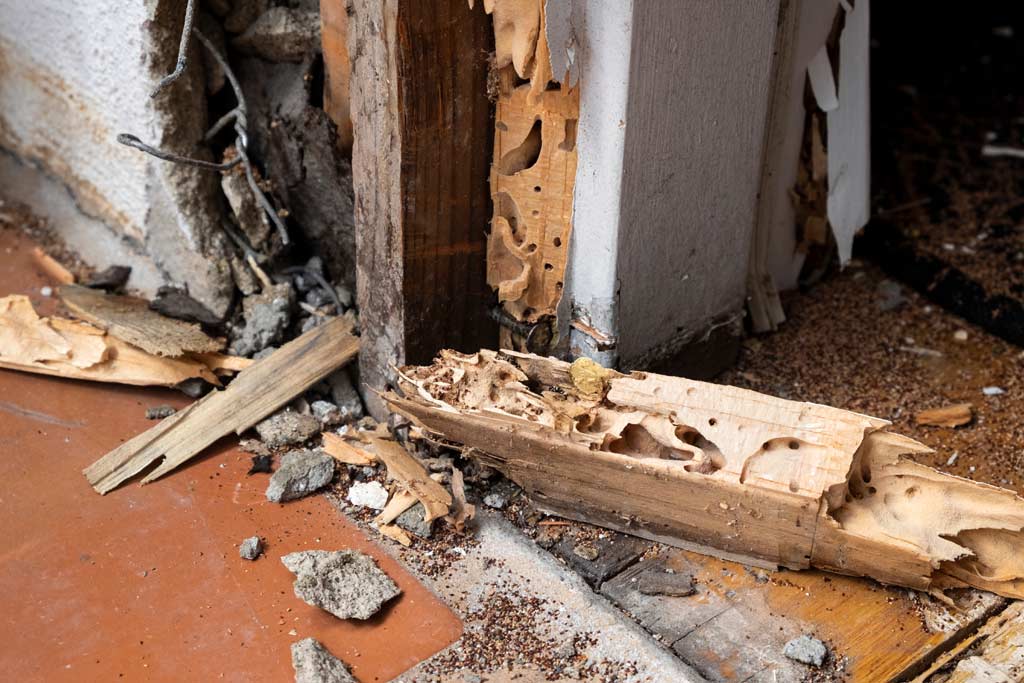
Termite damage is one of the most common and costly issues we find during South Jersey home inspections. While many homeowners know termites can chew through wood, most people don’t realize that structural repairs from termite damage require a permit under New Jersey’s building regulations.
Understanding this can help protect you from safety risks, unanticipated costs, and future resale issues.
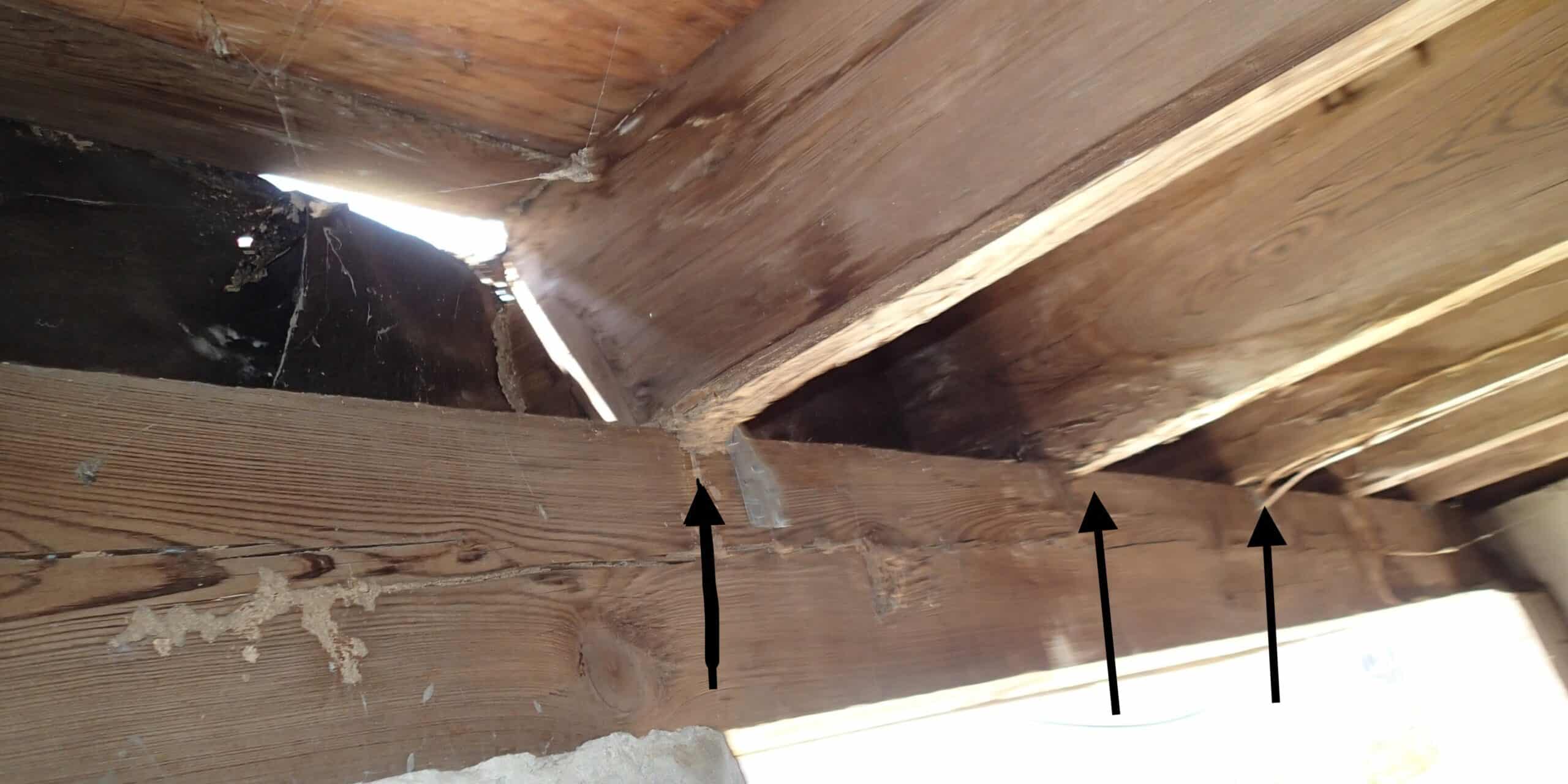
Termites often target the wood framing inside a home. When they damage load-bearing components like:
Floor joists
Basement framing
Rim joists and sill plates
Support beams
…these repairs are no longer simple cosmetic fixes. They become structural repairs, which must be handled properly to safely support the home’s load and comply with state building codes.
A typical repair we see is sistering floor joists — where new lumber is bolted alongside damaged joists to restore strength. While this can be a legitimate repair method, it must be done according to code and with proper permitting.
In New Jersey, the Uniform Construction Code (UCC) regulates construction work—including structural repairs for existing homes. Any work that involves altering, reinforcing, repairing, or replacing structural components of a building generally requires a construction permit under this code. NJ.gov+1
👉 Read the official UCC here:
https://www.nj.gov/dca/codes/codreg/ucc.shtml NJ.gov
This link takes you to the Uniform Construction Code (NJAC 5:23) on the New Jersey Department of Community Affairs website, which is the state code governing building permits and structural repairs.
Structural framing supports the floors and roof of your home. Improper repairs can lead to sagging floors, wall cracks, or even collapse in severe cases.
Permits ensure that repairs meet New Jersey building codes for structural safety, including proper materials, fastening methods, and load capacity.
When you sell your home, unpermitted work can lead to:
Problems during future inspections
Delays in closings
Negotiations or price reductions
Insurance claims can be denied if damage occurs where unpermitted structural work was done.
If you find evidence of past termite damage or repairs during an inspection:
Ask for permit documentation from the seller
Confirm that the local municipality approved and inspected the repair
Determine whether a licensed contractor completed the work
If permits are missing, consider having a structural engineer or qualified contractor evaluate the repair
A permit record and final inspection ensure the work was done legally and safely.
Even when repairs look clean or well done, they can still be incorrectly executed or unpermitted. That’s why a detailed home inspection matters—especially in South Jersey where termite activity is common.
A home inspector can help you identify:
Signs of past termite infestations
Structural repairs like sistered joists or replaced framing
Missing permits or questionable workmanship
This gives you peace of mind and protects your investment.
If you’re purchasing a home in South Jersey, don’t overlook termite structural repairs. Knowing when permits were pulled — and making sure repairs were inspected — is critical to avoiding costly surprises after closing.